Water damage is one of the most expensive and destructive problems a homeowner can face. While burst pipes and overflowing toilets demand immediate attention, a hidden water leak often goes unnoticed behind drywall, under floorboards, or beneath concrete slabs. Left unchecked, small plumbing defects cause structural rot, encourage toxic mold growth, and waste thousands of gallons of water annually.
Spotting the warning signs early protects your home’s structural integrity and keeps maintenance expenses under control.
1. Unexplained Spikes in Your Water Bill
An unexpected increase in your monthly utility statement is often the first indicator of a hidden leak. If your daily water consumption habits have not changed, compare your current statement with the same billing cycle from the previous year. A consistent, unexplained jump in gallons used points to water escaping silently within your home’s internal pipes.
2. The Sound of Running Water When Fixtures Are Off
If your home is completely quiet and you hear running, hissing, or dripping sounds behind walls or under flooring, water is actively moving through your lines. Verify that every faucet, shower-head, and appliance (washing machine, dishwasher, ice maker) is fully turned off. Persistent sounds confirm an active plumbing breach.
3. Unexplained Warm Spots on Flooring
Walking across a localized warm spot on a tile, hardwood, or carpeted floor is a primary indicator of a slab leak. When hot-water lines buried beneath a concrete foundation deteriorate or crack, the heat radiates upward into the flooring material. This condition requires prompt intervention from a licensed plumbing specialist to prevent foundation destabilization.
4. Persistent Musty Odors and Mildew
Trapped moisture inside enclosed wall cavities creates an ideal breeding ground for mold and mildew. If a room smells damp or musty despite regular cleaning and proper ventilation, water is likely pooling out of sight. Addressing the underlying moisture source is the only permanent solution to prevent spore proliferation
If you observe any of these warning signs, schedule a comprehensive inspection with us immediately to resolve the issue before severe structural damage occurs.
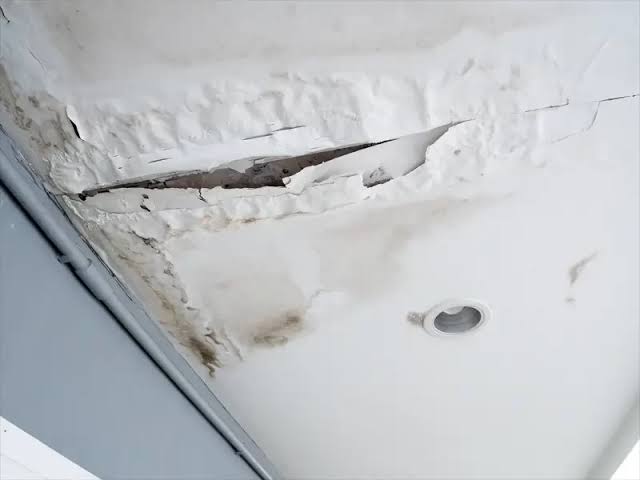
5. Warped Drywall, Peeling Paint, or Ceiling Stains
Water flows along the path of least resistance, often pooling above ceiling drywall or running down vertical wall studs. Visual indicators include:
Spongy, soft, or visibly sagging drywall.
Discolored brown, yellow, or dark rings on ceilings and walls.
Bubbling, peeling, or cracking paint and wallpaper.
6. Drastic Drops in Water Pressure
A sudden or gradual decline in overall water pressure across multiple faucets indicates that water is diverting out of the supply system before reaching its destination. While mineral buildup causes isolated pressure drops in single fixtures, an entire home experiencing low flow points to a line rupture.
7. A Moving Water Meter Dial
You can test for a hidden leak directly using your utility meter:
Recheck the meter. If the reading changes or the indicator is moving, water is leaking from your internal network.
Turn off every indoor and outdoor water fixture and appliance.
Locate the water meter and note the exact reading, or check the low-flow indicator (often a small red, blue, or silver triangle/gear).
Leave all water off for two hours.
When to Call a Professional
Modern leak detection utilizes acoustic sensors, thermal imaging, and tracer gas technology to pinpoint pipe failures without tearing through drywall or jack-hammering foundations unnecessarily. If you observe any of these warning signs, schedule a comprehensive inspection with us immediately to resolve the issue before severe structural damage occurs.