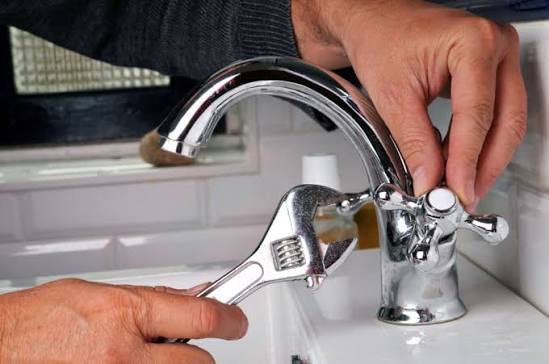
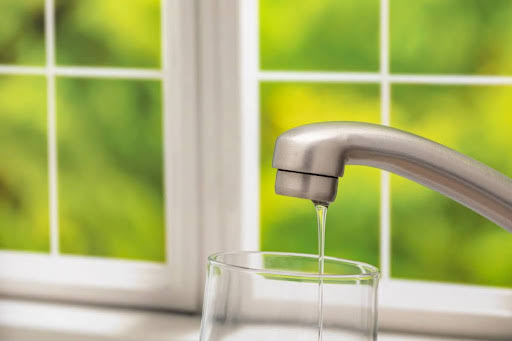
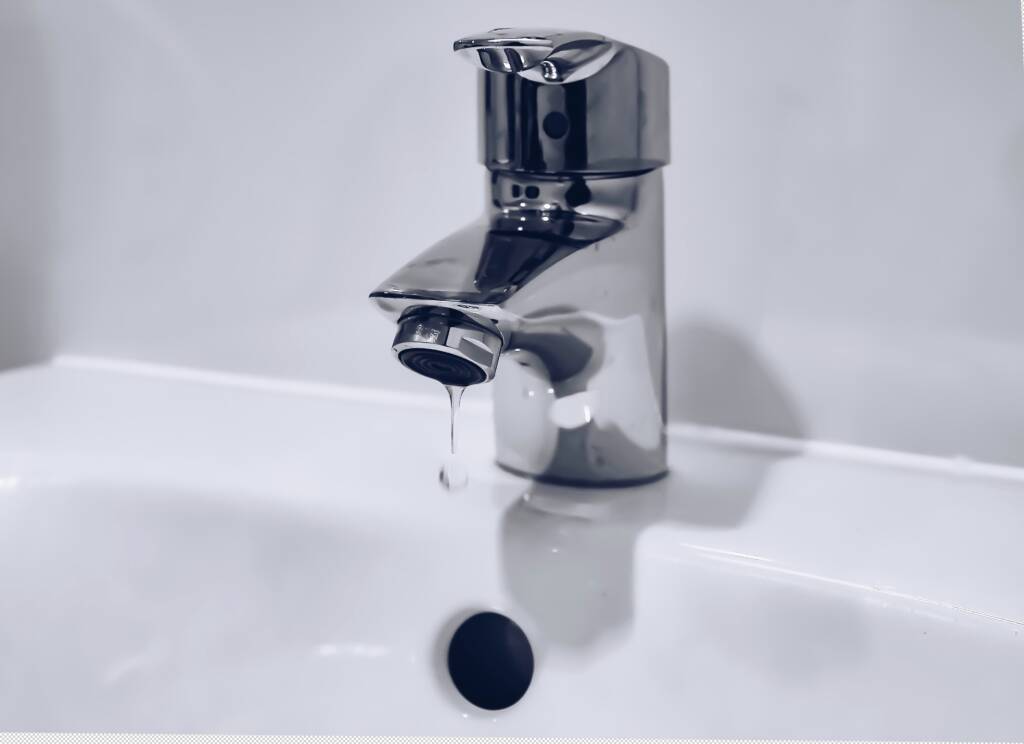
A dripping tap is one of the most common household annoyances. While that rhythmic drip, drip, drip might seem like a minor inconvenience, ignoring a leaking tap wastes thousands of liters of water annually, inflates utility bills, and risks structural moisture damage.
Knowing whether your tap requires a simple washer change or a full replacement saves both time and money.
When to Replace a Tap
Unavailability of Replacement Parts: Sourcing components for discontinued or vintage models is often more expensive than installing a modern replacement tap.
Recurring Leaks Despite Repairs: If a tap continues to leak after replacing the internal washer, O-ring, or ceramic cartridge, the internal valve seat is likely corroded beyond repair.
Internal Corrosion and Rust: Mineral deposits, limescale, and rust degrade the structural integrity of the metal inside the tap body over time, preventing a watertight seal.
Age Exceeds 10–15 Years: Most residential taps are designed to last around a decade. Older fixtures suffer from metal fatigue and outdated efficiency ratings.
Physical Cracks or Structural Damage: Visible cracks in the spout, base, or handles compromise the integrity of the fixture, leading to hidden leaks behind sinks or beneath countertops.
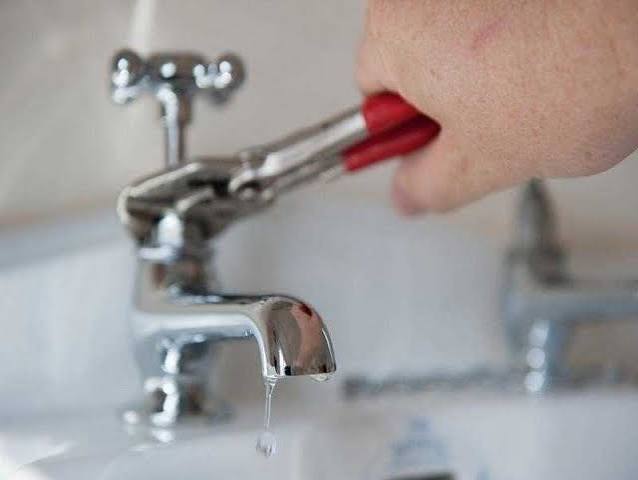
| Issue | Recommended Action | Typical Reason |
| Minor drip from spout | Repair | Worn washer or ceramic disc cartridge |
| Water leaking around the base/handle | Repair | Degraded O-ring seal |
| Squeaking or stiff handle | Repair | Sediment buildup or lack of lubrication |
| Corroded valve seat | Replace | Metal erosion cannot hold a seal |
| Cracks in tap body | Replace | High risk of burst or major water leaks |
| Obsolete unit (>10 years old) | Replace | Inefficient water flow; hard-to-find parts |
Pro Tip: Before unscrewing any plumbing fixture, place a small cloth or sink strainer over the drain. This prevents tiny screws, washers, and specialized cartridge clips from falling down the pipe during the inspection of your tap.