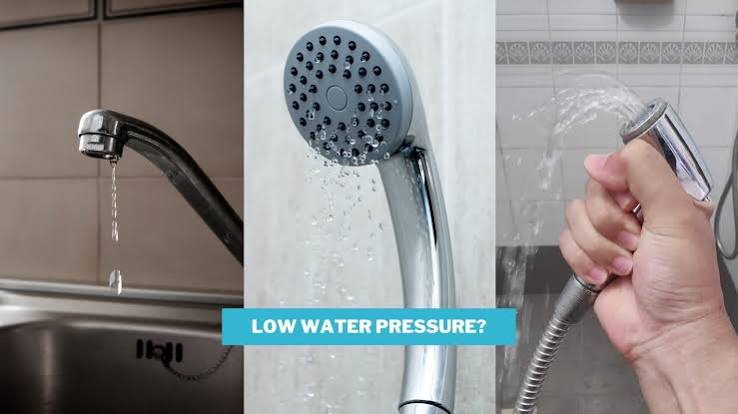
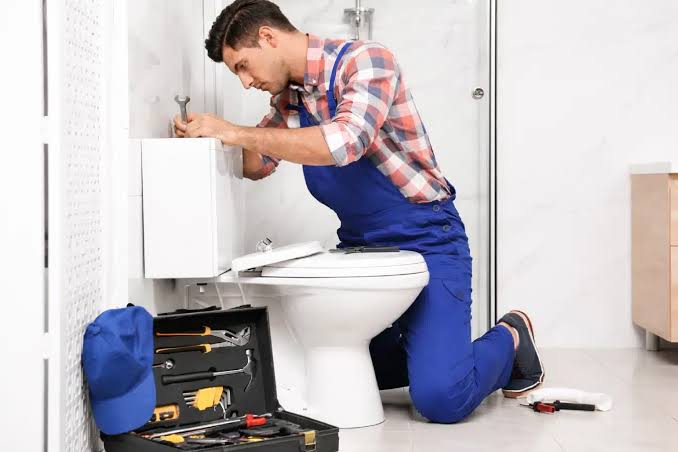
A sudden drop in water pressure turns everyday routines like showering, washing dishes, and running laundry into frustrating chores. Whether the issue affects a single fixture or your entire home, diagnosing the source early prevents costly plumbing damage.
Common Causes of Low Water Pressure
Municipal Supply Fluctuations: Routine line maintenance, water main breaks, or high peak-demand hours in your neighborhood can temporarily reduce the water pressure delivered to your property.
Clogged Aerators and Fixtures: Mineral buildup, scale, and sediment frequently accumulate inside faucet aerators and showerheads, restricting flow even when system pressure is fine.
Partially Closed Shut-off Valves: If you recently had plumbing work done, your main water shut-off valve or individual fixture supply valves might not be fully reopened.
Failing Pressure Reducing Valve (PRV): Most homes have a PRV installed where the main supply line enters the building. A worn-out PRV can bottleneck incoming water pressure significantly.
Corroded or Leaking Pipes: Older galvanized steel pipes corrode internally, narrowing the pipe diameter over time. Undetected leaks behind walls or underground can also siphon off water volume before it reaches your fixtures.
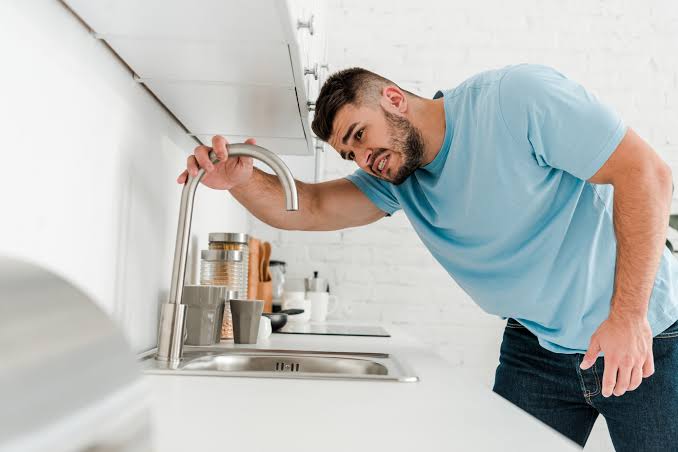
Step-by-Step Troubleshooting Checklist
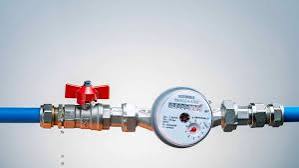
Monitor the Water Meter: Turn off all taps and appliances. Check if your water meter’s leak indicator is spinning; continuous movement points to an active leak.
Check Multiple Fixtures: Turn on both hot and cold taps across the house. If only one faucet is weak, clean or replace its aerator.
Inspect the Water Valves: Verify that the main water meter valve and your home’s indoor shut-off valve are completely open (turned counterclockwise or aligned with the pipe).
Test the Hot Water Heater: If the low pressure only happens when using hot water, your water heater may have sediment buildup or a failing shut-off valve.
Pro Tip: Keep an inexpensive threaded pressure gauge in your toolkit. Screw it onto an outdoor hose bib or laundry sink faucet to measure your exact static pressure. A standard residential system should read between 40 and 60 PSI; anything consistently below 40 PSI indicates a system-wide issue that warrants inspection by a licensed plumber.