A recurring clog is one of the most frustrating plumbing issues a homeowner can face. While an occasional backup is normal, a toilet that blocks repeatedly indicates an underlying issue requiring immediate attention. Addressing the root cause quickly protects your home from water damage and prevents costly repairs.
Common Causes of Chronic Toilet Blockages
To fix a toilet that constantly clogs, identify what triggers the issue:
Flushing non-flush able Items: Wipes labeled “flush able,” paper towels, feminine hygiene products, and cotton swabs do not disintegrate like toilet paper and quickly snare in the trap way.
Low-Flow Toilet Limitations: Early generation low-flow models often lack the water volume and gravity-assisted velocity needed to push waste fully into the main sewer line.
Blocked Plumbing Vents: Plumbing roof vents regulate air pressure across your drain system. Leaves, bird nests, or debris blocking the vent pipe restrict airflow, creating negative pressure and weak, sluggish flushes.
Main Sewer Line Obstructions: Tree root intrusion, grease buildup, or broken exterior pipes cause waste to back up into the lowest drains in your home.
Mineral Deposit Accumulation: Hard water leaves calcium and limescale deposits under the bowl rim and along the siphon jet, weakening flush power over time.
Step-by-Step Solutions to Clear Persistent Toilet Clogs
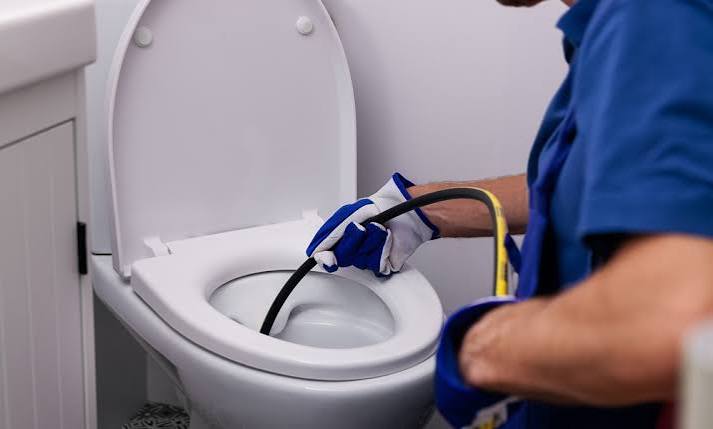
Deploy a Toilet Closet Auger: If plunging fails, insert a manual toilet auger. Rotate the handle clockwise while gently pushing downward to hook or break apart obstructions situated deeper in the S-bend.bo.
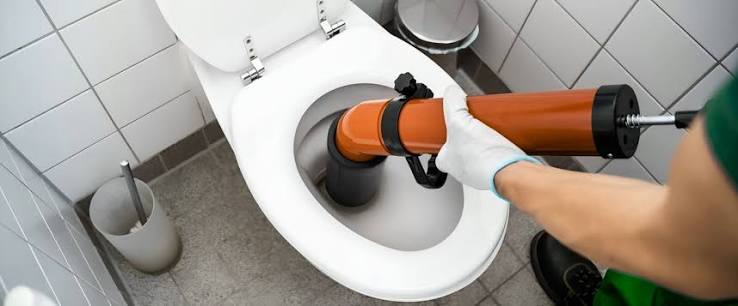
Use a Heavy-Duty Flange Plunger: Avoid flat-bottom sink plungers. A flange plunger creates a tight seal against the toilet drain opening. Submerge the bell entirely, ensure a tight seal, and plunge vigorously 10 to 15 times before breaking suction.
Try the Dish Soap and Hot Water Method: Pour roughly 1/2 cup of liquid dish soap directly into the bowl and let it sit for 15 minutes. Follow with a bucket of hot (never boiling) tap water poured from waist height. The soap lubricates the trap way while the warm water dissolves organic matter.
Pro Tip: Never use chemical drain cleaners to unclog a toilet. Chemical cleaners generate intense exothermic heat that can crack the porcelain bowl, melt PVC drain connections, and severely corrode cast-iron lines. Stick to mechanical methods like a flange plunger or closet auger.
When to Call Us as a Professional Plumber
Contact a licensed plumbing professional if:
You suspect structural damage or invasive tree roots in your main sewer lateral.
Water bubbles or backs up into nearby showers or sinks when you flush.
Plunging and auguring fail to restore normal drainage.