Sub-zero temperatures pose one of the most serious threats to residential plumbing. When water freezes inside your home’s pipes, it expands, generating massive pressure that can rupture metal or plastic fittings. A burst pipe can release hundreds of gallons of water within hours, causing severe structural damage and costly repairs. Taking proactive steps to winterize your system keeps your water running smoothly all season.
Why Freezing Causes Burst Pipes
Ice creates a blockage inside the pipe, but the expansion of ice itself isn’t the sole reason a rupture occurs. As ice expands, it forces downstream water pressure to spike between the blockage and a closed faucet. When that internal pressure exceeds the material strength of the pipes, the walls fail and split open.
Essential Steps to Protect Your Plumbing
Insulate Vulnerable Pipes: Wrap unheated lines in basements, attics, garages, and crawl spaces with foam pipe sleeves, fiberglass insulation, or UL-listed heat tape.
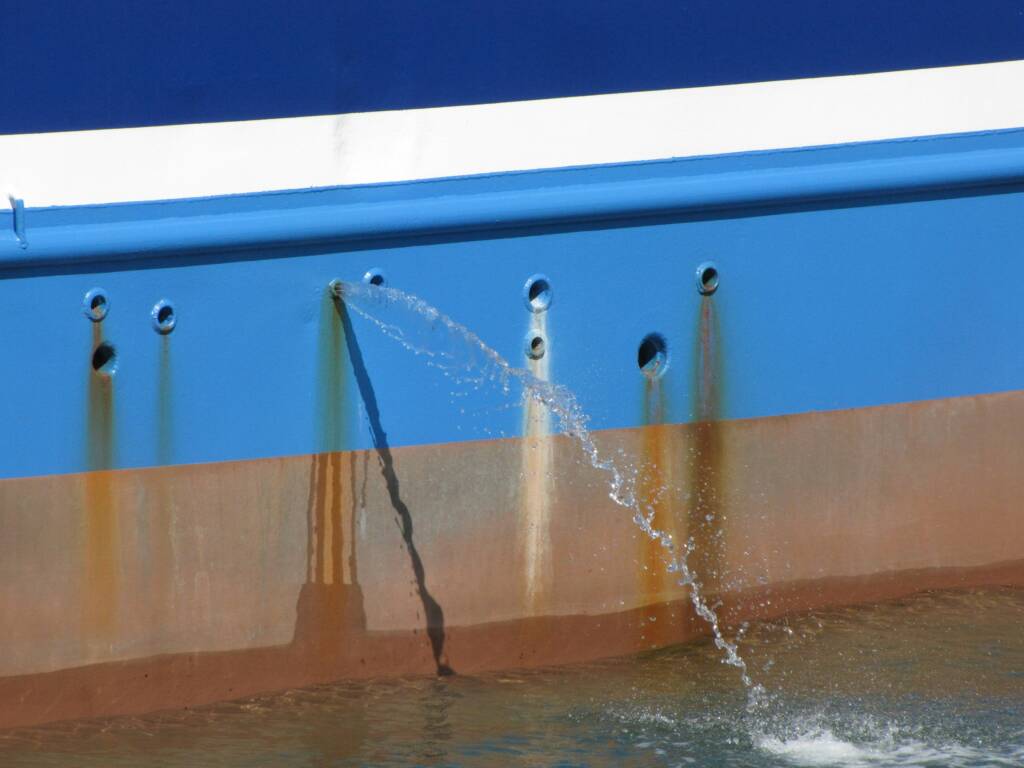
Keep Faucets Dripping: During extreme cold snaps, allow a slight trickle of water to run from faucets served by exposed pipes. Moving water relieves downstream pressure and resists freezing.
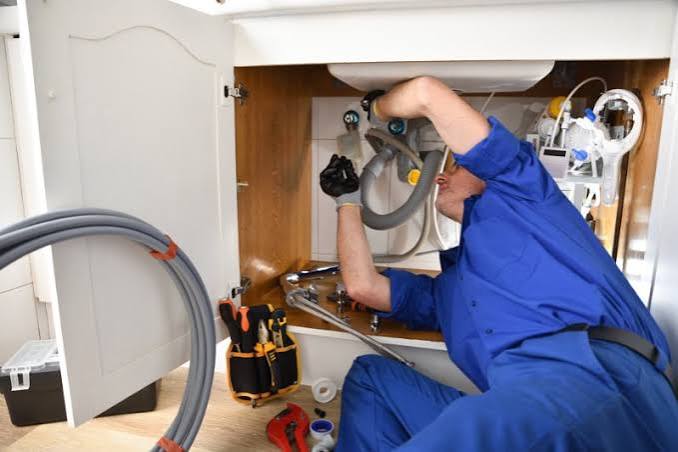
Open Cabinet Doors: Keep kitchen and bathroom vanity doors open to allow warm ambient air to circulate around hidden plumbing runs.
Maintain Consistent Indoor Heat: Never let your thermostat drop below 55°F (13°C), even when leaving the house for extended periods.
Disconnect Outdoor Hoses: Drain and detach all exterior garden hoses, then shut off and drain the indoor isolation valves leading to outdoor spigots.
Seal Drafts and Cracks: Use caulk or expanding foam around exterior vents, cable penetrations, and sill plates where cold air infiltrates near supply lines.
What to Do If Your Pipes Freeze
If you turn on a tap and only get a trickle, act immediately:
If you discover a rupture or cannot locate the freeze, shut off your main water valve immediately and call a licensed plumbing professional.
Keep the faucet open so melting water can escape as you thaw the line.
Locate the suspected frozen section, typically found along exterior walls or insulated spaces.
Apply gentle heat using an electric heating pad, hair dryer, or portable space heater. Never use an open flame or blowtorch.